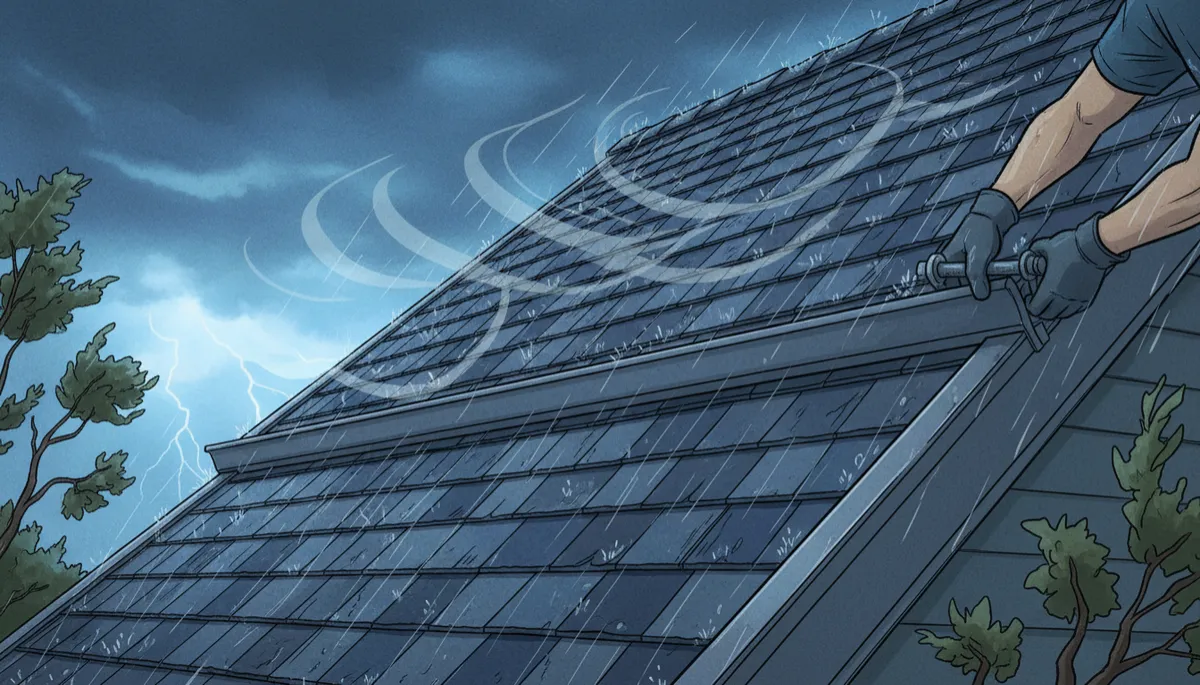
Prepare Your Roof for Storms and High Winds
Home Maintenance, Roof Protection
How to Prepare Your Roof for Heavy Storms and High Winds
When severe weather rolls in, your roof is your home’s first line of defense. Taking time to prepare it before heavy storms and high winds hit can prevent costly damage, leaks, and stressful emergency repairs. This guide walks you through practical, homeowner-friendly steps to get your roof storm‑ready and protect the people and belongings you care about most.
Start With a Simple Visual Roof Check
You don’t need to climb onto the roof to spot many problems. Walk around your home and look from the ground using binoculars if you have them. You’re checking for anything a strong wind or driving rain could exploit, such as:
Missing, cracked, or curling shingles that expose the underlayment
Shingles that appear loose, lifted, or uneven in certain areas
Rusted, bent, or missing flashing around chimneys, skylights, and vents
Sagging sections of the roof that may indicate underlying structural issues
Make a note of anything that looks worn or out of place. These are the weak spots storms tend to target first. Addressing them early, with help from a trusted roofing professional, is far less expensive than repairing widespread storm damage later.
Clear Gutters and Downspouts for Proper Drainage
Heavy rain can overwhelm clogged gutters in minutes. When water can’t flow freely, it backs up under shingles, seeps into fascia boards, and can even find its way into your attic and walls. Before storm season, clean your gutters and downspouts thoroughly:
Remove leaves, twigs, and roof granules by hand or with a small scoop
Flush the system with a garden hose to ensure water flows freely out the downspouts
Check that downspouts direct water several feet away from your foundation
💡 Pro Tip: Installing gutter guards can reduce clogs and make pre‑storm cleanups faster and safer for busy homeowners.
Trim Trees and Remove Potential Roof Hazards
High winds can turn overhanging branches into battering rams. Even smaller limbs can scratch shingles, dislodge granules, and open the door for leaks. Walk your property and look for:
Branches hanging directly over your roof or close to power lines
Dead or diseased trees that could fall in a severe storm
Loose yard items like patio furniture, grills, or decorations that might blow into the roof
Trim back branches safely, or hire a certified arborist for larger jobs. Before a storm arrives, secure or store lightweight items in a garage or shed so they can’t become airborne and damage shingles, vents, or skylights.
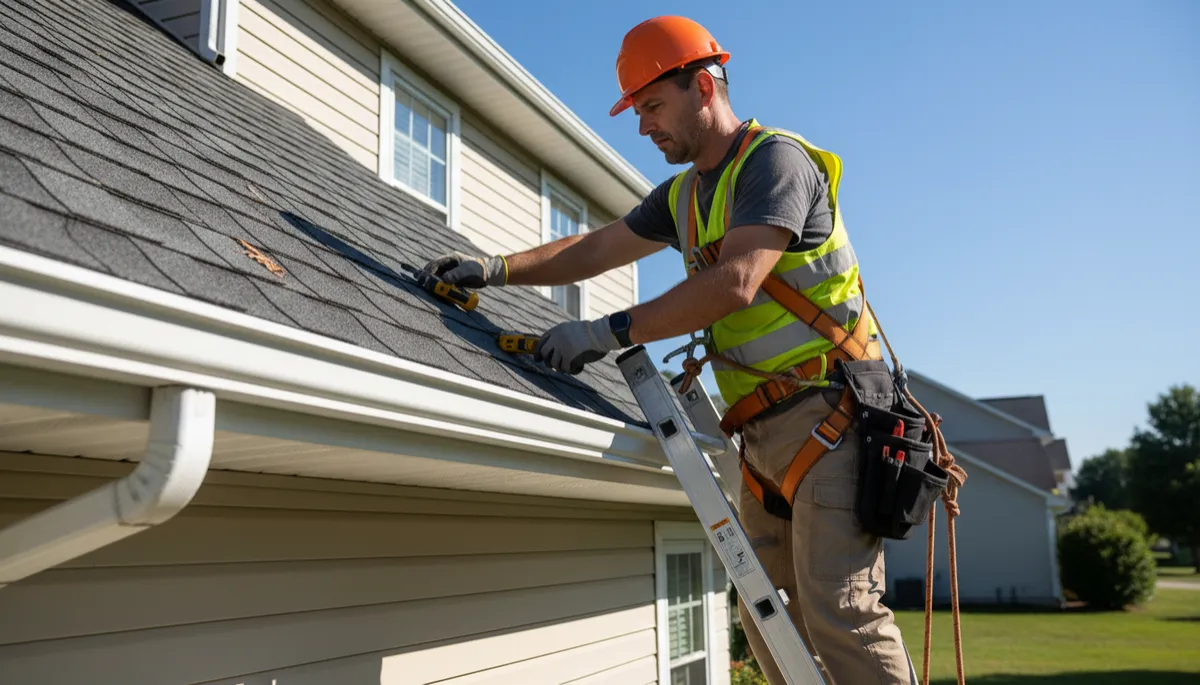
A quick pre-storm inspection often prevents far more expensive emergency repairs.
Reinforce Vulnerable Roof Components Before Storm Season
Certain parts of your roof are more vulnerable to wind uplift and water intrusion. It’s wise to have a reputable roofing company inspect and, if needed, reinforce these areas well before severe weather is in the forecast. Key details include:
Ridge and hip shingles: These take the brunt of wind and may need resecuring or replacement if they’re brittle or loose.
Flashing and sealants: Fresh, properly installed flashing and caulking around chimneys and vents keep wind‑driven rain out.
Fasteners and connectors: In higher‑risk areas, additional nails, clips, or straps can improve resistance to high winds.
📌 Key Takeaway: Small upgrades to vulnerable roof components can dramatically improve how your roof performs in a major storm.
Protect the Inside: Check Your Attic and Ceilings
Preparing your roof for heavy storms isn’t only about the exterior. Step into your attic during daylight and look for any signs of current or past leaks, such as dark stains on wood, damp insulation, or daylight peeking through the roof deck. Inside your living spaces, scan ceilings and upper walls for discoloration or bubbling paint, which can signal slow leaks that may worsen under heavy rain and wind pressure.
Adequate attic ventilation and insulation also help your roof perform better over time by reducing moisture buildup and temperature extremes, both of which can shorten shingle life and weaken fasteners before a storm even arrives.
Plan Ahead: Documentation, Insurance, and Professional Help
A smart storm‑prep plan includes paperwork as well as physical maintenance. Take clear photos of your roof and exterior before storm season. If you ever need to file an insurance claim, this “before” documentation can make the process smoother and help demonstrate that you maintained your home responsibly.
Review your homeowner’s insurance policy so you understand what roof damage is covered and what deductibles apply. Keep the contact information of a trusted, local roofing contractor handy. After a major storm, reputable companies book quickly, and having a relationship in place helps you avoid high‑pressure door‑to‑door offers from storm chasers.
Final Thoughts: Small Steps Now, Big Protection Later
Preparing your roof for heavy storms and high winds doesn’t have to be overwhelming. A careful visual check, clean gutters, trimmed trees, reinforced weak points, and a quick attic review go a long way toward keeping your home dry and secure. By taking these steps before the weather turns, you gain peace of mind knowing you’ve done everything reasonable to protect your roof, your home, and your family when the next storm system moves through.