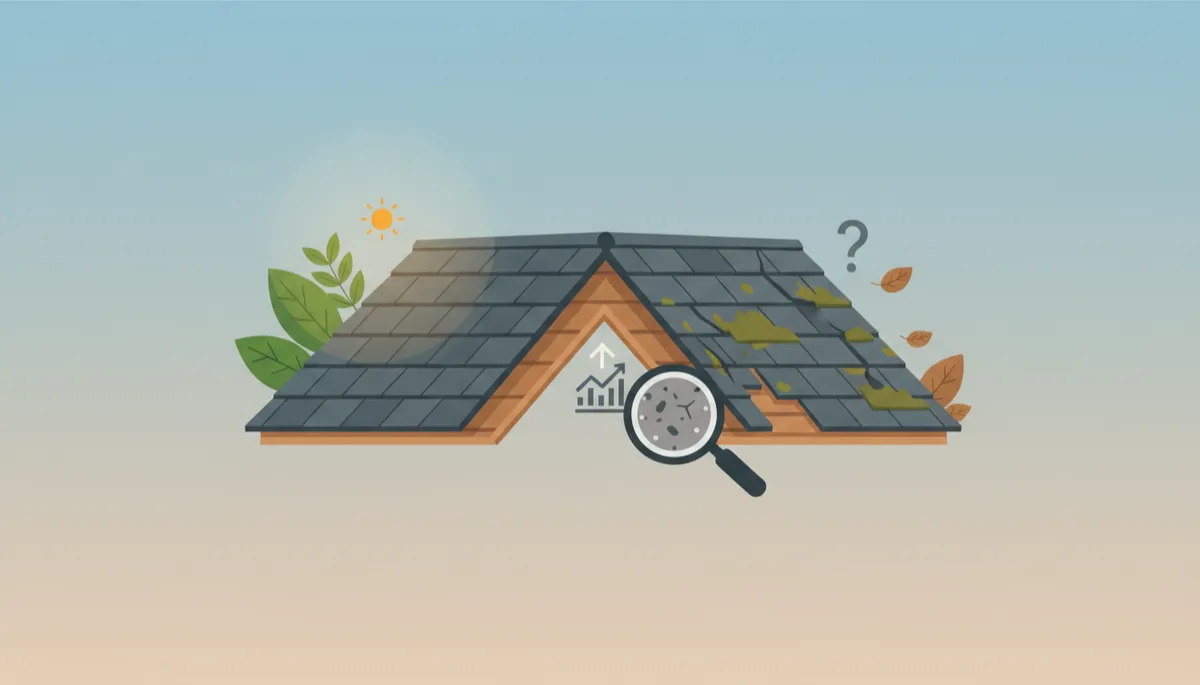
Roof Life Expectancy: Self-Check Guide
Home Maintenance, Roof Care
How Much Life Does Your Roof Have Left? A Simple Self-Check Guide
You don’t need to be a contractor to get a realistic sense of how much life your roof has left. With a careful walk-around and a few simple checks, any homeowner or renter in a single-family home can spot early warning signs and make smarter decisions before leaks and costly damage appear.
1. Understand Your Roof’s Typical Lifespan
Before you look for damage, it helps to know what’s “normal.” Most residential roofs fall into a few common categories, each with an expected lifespan when properly installed and maintained:
Asphalt shingles: about 15–25 years, depending on quality and climate
Metal roofing: roughly 40–70 years with good maintenance
Tile or slate: 50+ years, often much longer if underlayment is replaced on time
If you know when your roof was installed, compare its age to these ranges. A roof in the last third of its expected life deserves closer attention, even if it still looks “okay” from the curb. For many individuals and consumers, this quick age check is the first clue to how much life the roof may realistically have left.
2. Start with a Safe, Ground-Level Visual Check
You never need to climb on the roof to perform a basic self-check. In fact, for most consumers, staying on the ground is the safest and smartest choice. Grab a pair of binoculars if you have them and slowly scan each side of your home from the yard or sidewalk.
Look for missing, cracked, or curled shingles that break up the smooth pattern of the roof.
Check for dark patches or shiny bald spots where the protective granules have worn away.
Note any sagging areas; a roof line that dips can signal deeper structural concerns.
A roof that’s nearing the end of its life often looks “tired” overall: colors fade unevenly, edges curl, and small defects appear in many places instead of just one isolated spot.
3. Check Gutters, Downspouts, and the Ground Below
Your gutters and the ground around your home can quietly reveal how your roof is aging. When asphalt shingles wear out, they shed tiny granules that look like coarse, dark sand.
During your next cleaning, peek inside the gutters for excessive granule build-up.
Inspect the area under downspouts for piles of granules or shingle pieces after heavy rain.
A light sprinkling is normal, especially on newer roofs. But if you see handfuls of material or notice the shingle surface looks smooth and shiny, your roof may be in the final phase of its lifespan and more vulnerable to leaks and sun damage.
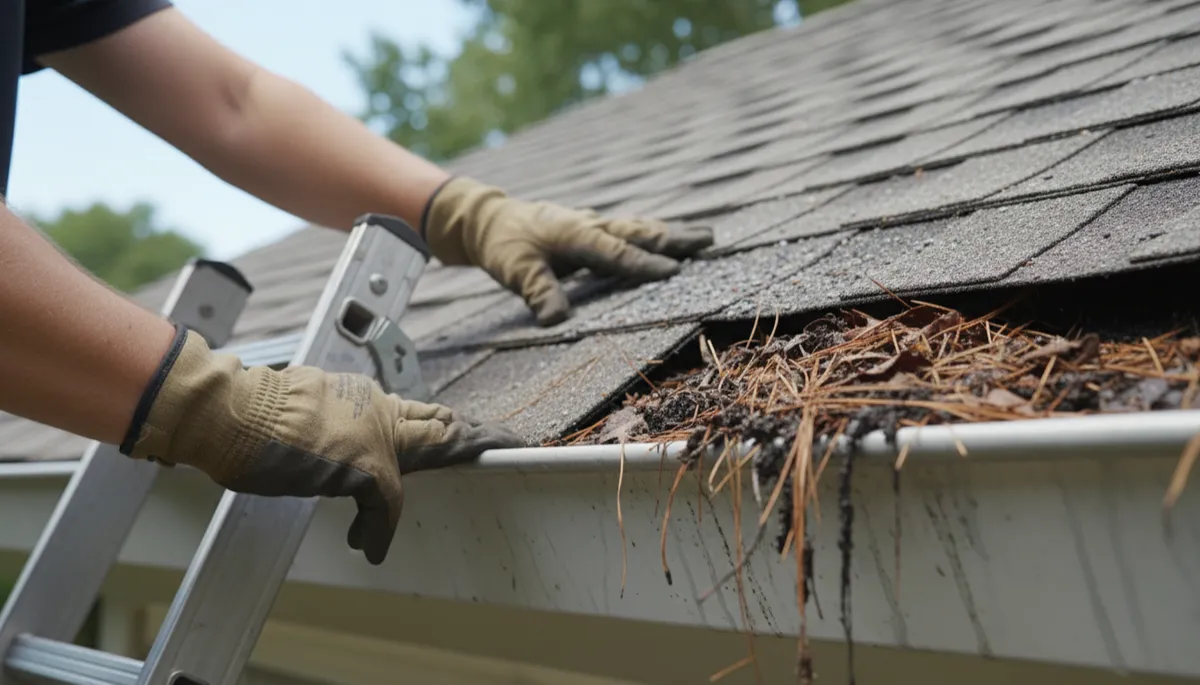
Granules in gutters are an early sign your shingles are aging and thinning.
4. Look Inside: Attic and Ceiling Warning Signs
A roof can look fine from outside and still be quietly failing from the inside. That’s why every simple self-check for individuals and everyday consumers should include a quick look at the attic or top-floor ceilings.
In the attic, scan for dark stains, damp insulation, or moldy smells after rain.
On ceilings, watch for water rings, bubbling paint, or peeling tape.
Even small stains can indicate that your roof’s protective layers are breaking down. One minor leak doesn’t always mean full replacement, but repeated issues in different areas often suggest the roof is reaching the end of its useful life.
💡 Pro Tip for Homeowners: Take photos every year from the same spots around your home. Comparing images over time makes it easier to see subtle changes in shingle condition, sagging, or discoloration.
5. When Your Self-Check Says “Time to Ask a Pro”
Your self-check doesn’t replace a professional inspection, but it does empower you as a consumer. If your roof is older, shows widespread wear, or you’ve spotted leaks or sagging, it’s wise to schedule a visit from a qualified roofing company for a detailed assessment and clear estimate of remaining life.
A good roofing partner will confirm what you’ve seen, explain whether repairs can safely extend the roof’s life, or if a planned replacement is the smarter long-term move. Armed with your own observations, you can ask better questions, compare options confidently, and protect your home and budget with fewer surprises.
Bringing It All Together: A Simple Routine for Roof Peace of Mind
To recap, here’s a straightforward self-check routine any individual can follow once or twice a year:
Note your roof’s age and material to estimate its typical lifespan.
Perform a safe ground-level scan for missing, curled, or worn shingles.
Check gutters and downspouts for heavy granule loss or shingle pieces.
Inspect your attic and ceilings for stains, dampness, or musty odors.
With this simple guide, you can better judge how much life your roof may have left, budget ahead for repairs or replacement, and protect one of your home’s most important assets with confidence.